
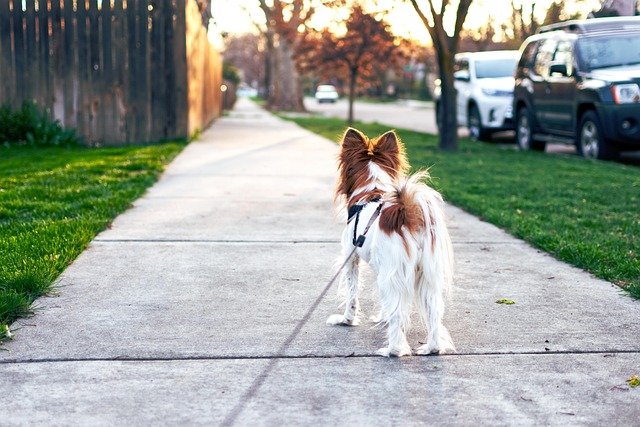
As dedicated professionals in dog walking and canine care, we understand the allure of maintaining a brisk pace during walks, particularly when time constraints or unfavorable weather conditions are present. Many clients seek our services to ensure their dogs receive an adequate workout, and we wholeheartedly advocate for this necessity—exercise plays a vital role in a dog’s overall health and well-being.
However, it is equally crucial to recognize the importance of allowing dogs to engage in sniffing during walks. Instead of viewing these pauses as mere delays, consider them as opportunities for enrichment.
**The Significance of Sniffing for Dogs**
While humans primarily rely on their vision to navigate their surroundings, dogs utilize their remarkable sense of smell. In fact, a dog’s olfactory capabilities are tens of thousands of times more sensitive than those of humans. When your dog takes a moment to sniff a tree, fire hydrant, or any other object during a walk, they are gathering valuable information—analyzing who has passed by, what they have consumed, and even their emotional state.
**The Value of Mental Stimulation**
Walks serve not only as a means of physical exercise but also as essential periods for mental stimulation. Allowing dogs to engage in sniffing activities activates their cognitive functions, alleviating boredom and promoting overall mental health. A study published in *Applied Animal Behaviour Science* in 2019 demonstrated that dogs permitted to sniff more during their walks exhibited lower heart rates and displayed more positive behaviors in subsequent assessments. This underscores the calming effects of sniffing, which ultimately contributes to improved mood and well-being.
By prioritizing both physical and mental stimulation during dog walks, we can significantly enhance the quality of our clients’ pets’ experiences.
**The Benefits of Sniffing for Canine Behavior**
Incorporating sniffing time into your dog’s routine can significantly enhance their behavior. Dogs that experience mental stimulation tend to exhibit reduced anxiety and reactivity. This can translate into fewer disruptions when encountering squirrels, more subdued greetings with fellow canines, and a generally more balanced demeanor.
**Prioritizing Their Experience**
For many dogs, the daily walk serves as a pivotal highlight. It offers them the opportunity to explore their environment and engage in natural behaviors. Allowing your dog to pause and sniff not only acknowledges their needs but also gives them a degree of autonomy in how they experience their outdoor time.
**Implementing Sniff Walks: A Strategic Adjustment**
We advise integrating at least one “sniff walk” into your dog’s weekly schedule. These walks should be unhurried, emphasizing exploration rather than distance traveled. For senior dogs, those recovering from injuries, or less energetic pets, sniff walks present an excellent alternative to high-octane play.
**Safety Considerations for Sniffing**
While encouraging your dog to explore through sniffing is beneficial, it is essential to remain vigilant regarding safety. Not all items encountered on the ground are suitable for exploration. Here are several safety guidelines to consider:
– Prevent your dog from sniffing through trash, leftover food, or puddles, as these may harbor harmful bacteria, antifreeze, or toxins.
– Be cautious of sharp objects, broken glass, or thorny plants.
– Avoid areas treated with chemicals or recently fertilized lawns.
– Stay alert for mushrooms, particularly after rainfall, as some wild species can be toxic to dogs.
– Familiarize yourself with the signs of potential poisoning (such as excessive drooling, vomiting, or tremors) and contact your veterinarian immediately if you suspect your dog has ingested something harmful.
Encouraging your dog to explore is vital, but guidance is equally important. Employ commands such as “leave it” or “come on” to redirect them from potentially hazardous areas while ensuring the joy of the walk remains intact.