
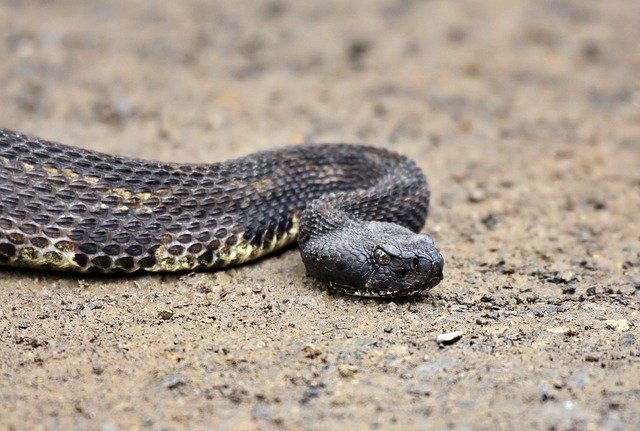
To protect your dog from rattlesnakes, keep them on a leash when hiking or in areas where snakes are likely to be, especially in warm weather when they are most active. Avoid areas with tall grass, rocky terrain, and dense underbrush, and maintain your yard by clearing debris and potential hiding spots. Consider rattlesnake aversion training, which teaches dogs to recognize and avoid snakes.
Here’s a more detailed breakdown:
During Walks/Hikes:
- Leash your dog:
Always keep your dog on a leash, especially in areas known to have rattlesnakes, to maintain control and prevent them from encountering a snake.
- Avoid high-risk areas:
Stay on trails and open areas, avoiding tall grass, rocky areas, and dense underbrush where snakes like to hide.
- Be vigilant:
Scan the trail ahead for snakes, and teach your dog commands like “leave it” to help control them in potential snake encounters.
At Home:
- Maintain your yard: Clear away brush, woodpiles, and other debris where snakes might hide.
- Consider snake-proof fencing: If you live in an area with a high snake population, consider installing fencing that can deter snakes from entering your property.
- Remove food and water sources: Keep your yard clean and free of things that might attract rodents, which snakes prey on.
Other preventative measures:
- Rattlesnake aversion training:
This training teaches dogs to recognize and avoid snakes, potentially reducing the risk of bites, according to a dog training website.
- Be aware of symptoms:
If your dog is bitten, know the symptoms (swelling, pain, bruising, bleeding at the bite site) and seek immediate veterinary attention.
- Know where to get help:
Have the phone number for the nearest emergency vet clinic, especially one that stocks antivenom, readily available, advises a pet care website.
- Don’t panic:
If you see a snake, stay calm, leash your dog, and move away slowly.